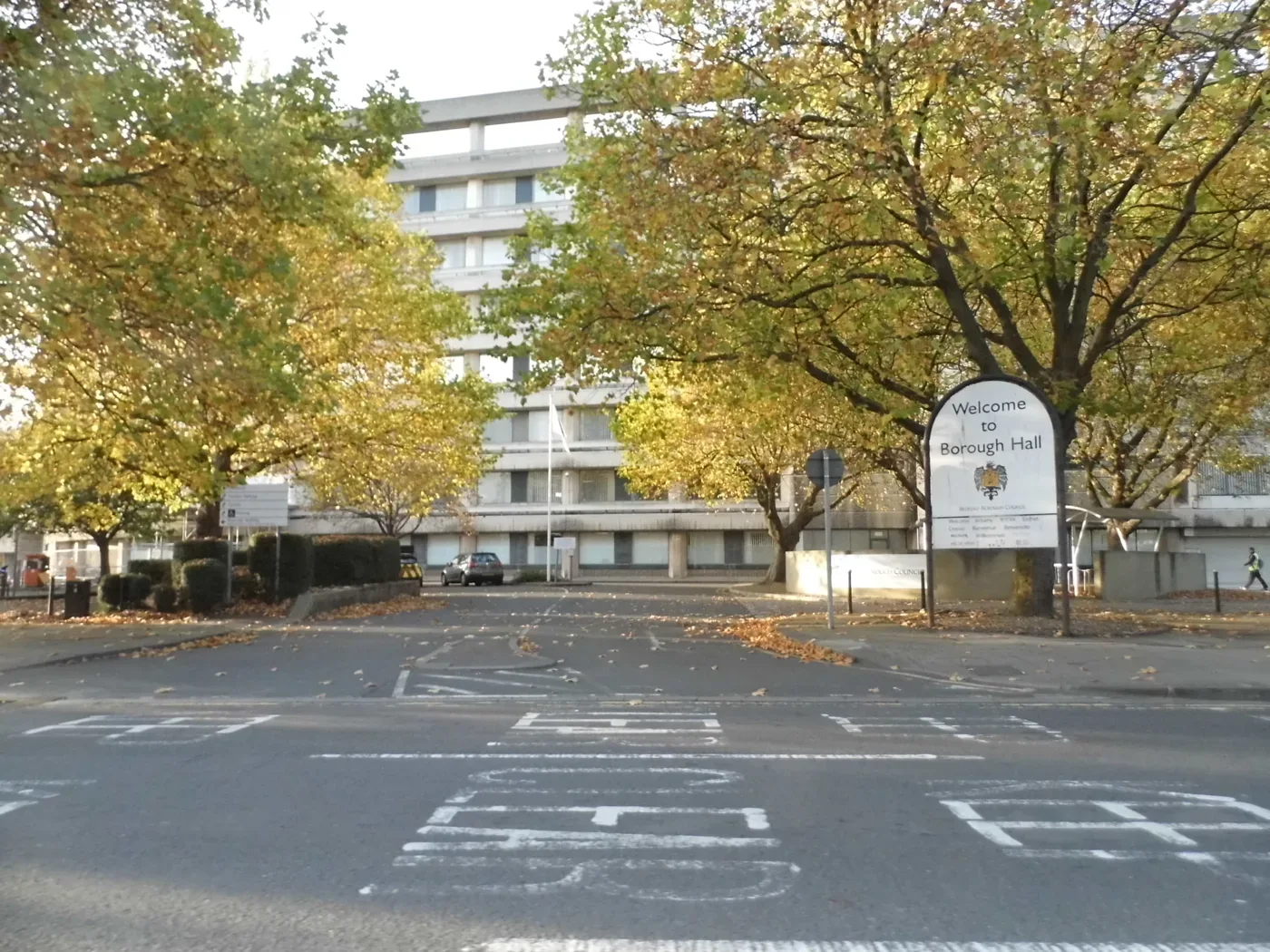

From 31 October, councillors can no longer call Bedford planning applications to committee, and three objections stop triggering a hearing. What replaces it.
From Saturday 31 October, Bedford’s ward councillors can no longer call a planning application in to the Planning Committee. Objections from a parish council, or from three or more residents, will no longer send a case to a public hearing either.
The change comes from national rules, not a local choice. The Town and Country Planning (Discharge of Local Planning Authority Functions) (England) Regulations 2026 take effect on 31 October. They decide which applications officers must settle on their own, and which can still go to councillors.
Bedford will not have a scheme that complies with them by that date. The council’s own report says so.
What changes
The council’s current rules, set out in a report to the General Purposes Committee, send an application to the committee when:
- a local ward councillor calls it in
- a parish or town council objects
- three or more residents or other people object
The report says the new regulations “no longer allow such provision”. It quotes the government’s statutory guidance:
“Under the national scheme of delegation, current practices set out in local authority constitutions, such as the power for ward councillors to require cases to be called in for committee consideration or having trigger points for referral to committee if a certain number of objections is reached, will not be possible.”
| Until 30 October | From 31 October | |
|---|---|---|
| Ward councillor call-in | Sends the case to committee | No longer possible |
| Parish or town council objection | Sends the case to committee | No longer a trigger |
| Three or more objections | Sends the case to committee | No longer a trigger |
| Extensions, small housing schemes | Can go to committee | Officers must decide |
| Larger schemes | Can go to committee | Only if two named people agree |
Who decides now
The rules split applications into two groups. The revised scheme of delegation lists them.
Schedule 1 applications must be decided by officers. They include:
- householder applications, such as extensions and loft conversions
- minor commercial development
- one to nine homes on a site smaller than half a hectare
- tree preservation order consents
Schedule 2 applications are everything larger. One of these can go to the committee only if it raises an economic, social or environmental issue “of significance to the local area”, or a significant planning matter.
Two people must also agree that it does: the Head of Planning and Building Control and the Chair of the Planning Committee. If they disagree, officers decide the case.
Applications made by the council, a councillor or a council officer count as “own-interest” cases. They are one of the categories that can still be referred.
The gap after 31 October
Full Council refused to adopt a first version of the new scheme on 7 October. Councillors sent it back to the General Purposes Committee. They asked it to “preserve the maximum lawful involvement of Ward Members” and to look for local safeguards for villages and neighbourhoods. The resolution is quoted in the committee report.
The council’s Constitution Review Working Group concluded there was “very little flexibility”. It has not restored call-in. Instead it proposes:
- consultation letters that say whether an application is Schedule 1 or Schedule 2
- a new section on the planning list recording comments that meet the referral criteria
- the Chair and the Head of Planning meeting every two weeks to decide which cases go to committee
- a record of those decisions reported to each Planning Committee meeting
The General Purposes Committee considers this on Tuesday 3 November. That is after the 31 October deadline. An extraordinary meeting of Full Council will then be needed in November to adopt it.
Until that happens, the report says, applications submitted from 31 October which might meet the criteria “cannot be referred to the Planning Committee”. The Monitoring Officer may have to issue a formal report to the council if a compliant scheme is not adopted urgently.
What it means for you
If you object to a planning application after 31 October, your number of signatures will not decide whether councillors hear it. The report says objectors will need to explain why the application is “significant” under the new criteria.
So for a larger scheme, set out in your comment:
- the economic, social or environmental effect on the area
- which local plan policies you think it breaches
- why that matters beyond your own property
For an extension or a small housing scheme next door, officers will decide, whatever the objections. Comments still count towards the officer’s decision, so make them within the 28-day consultation period.
Parish councils lose their automatic route to committee too. A parish objection to a large scheme will need to make the same case.
You can search live applications on the council’s planning portal. Our Bedford planning news page tracks the bigger decisions as they come up.
Have your say