
Three Bedfordshire Fire Control staff at the Kempston HQ describe 999 calls, floods, a train crash and a decontamination incident in their second week.
Every 999 call to Bedfordshire Fire and Rescue Service starts in Fire Control, not on a fire engine. This week three of the people who answer those calls have described what the job is really like.
The service published their accounts for International Control Room Week. Fire Control sits at the service’s headquarters on Southfields Road in Kempston. From there, operators take emergency calls, send crews and help manage incidents as they unfold.
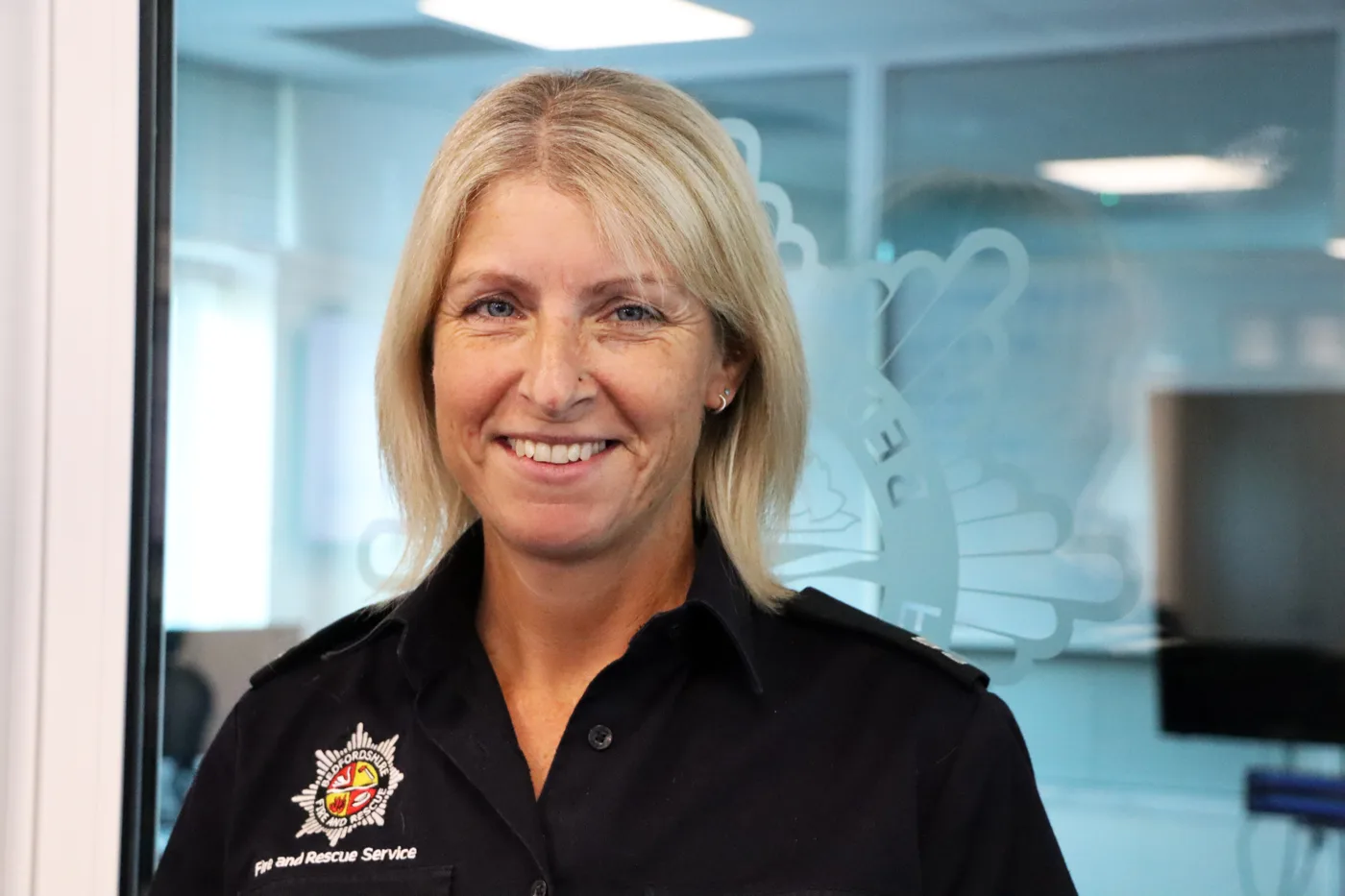
“Our Fire Control team are often the unseen link between the public and our emergency response,” said Station Commander Faye Roast, the Service Control Manager.
“They provide reassurance to callers during some of the most challenging moments of their lives while coordinating the information and resources needed to support our crews. International Control Room Week provides an opportunity to recognise the professionalism, dedication and expertise they bring to the role every day.”
What Fire Control handles
The service says its control team supports:
- house fires
- road traffic collisions
- severe weather
- national-scale emergencies
It also works with neighbouring fire and rescue services and partner agencies, so that help reaches people as quickly as possible.
Tom: a major incident in his second week
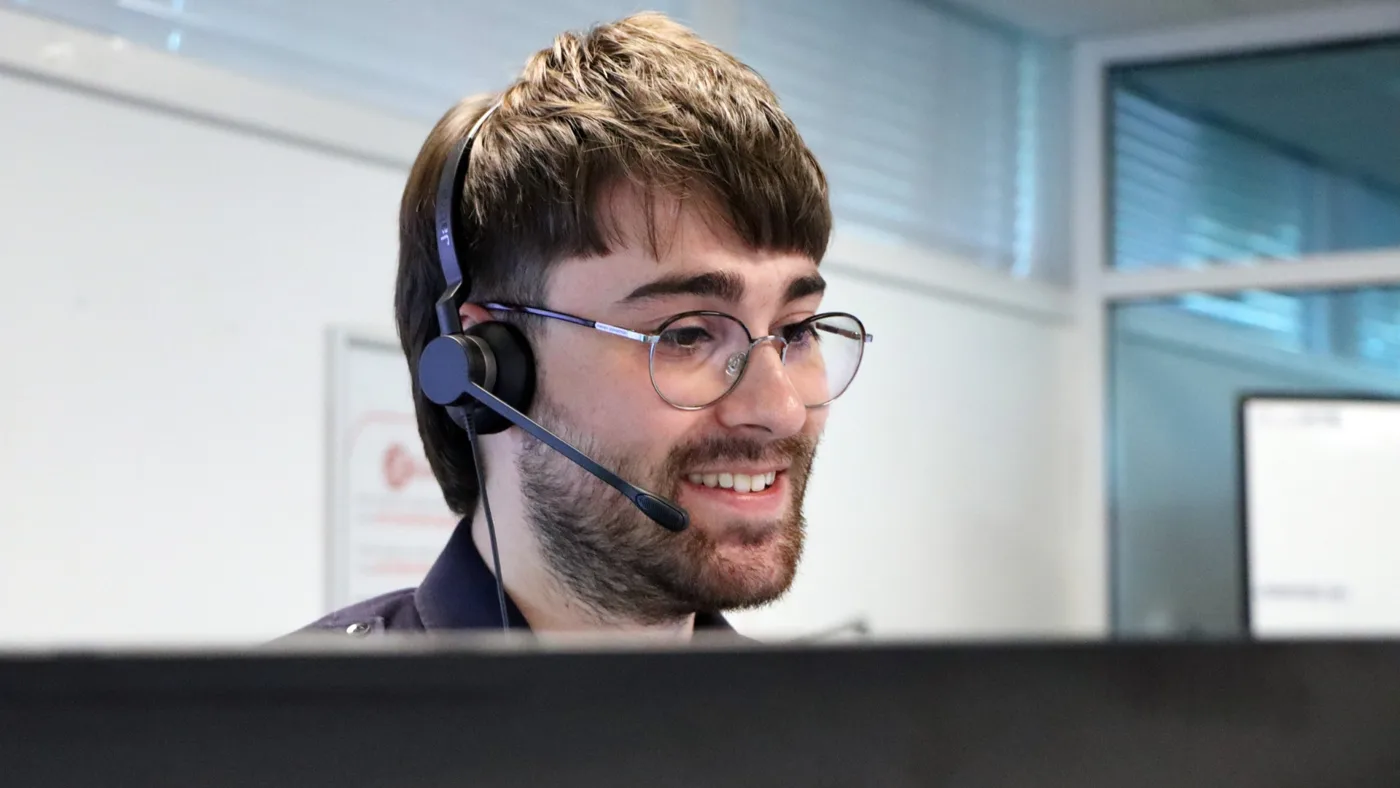
Control Firefighter Tom Bland joined 18 months ago. In his own account, he says he wanted a career where he could help people.
“Fire Control appealed to me because you’re often supporting people through some of the most difficult moments of their lives,” he wrote.
His test came early. “I found that out during my second week on watch. At around 9am, I answered a call that led to a major decontamination incident involving multiple people. As that incident was drawing to a close, we were then dealing with a building fire where multiple people were reported to be inside.”
“What I remember most isn’t the pressure, but the support from my colleagues. Throughout the incident, colleagues and officers were there to offer guidance and reassurance. Although I was dealing with the calls, I was never dealing with them alone.”
He now wants to become a Mental Health First Aider. His advice to anyone thinking of applying is to “speak to people doing the job”.
“18 months in, it’s one of the best decisions I’ve made.”
Michael: lightning on the mast, then a train crash
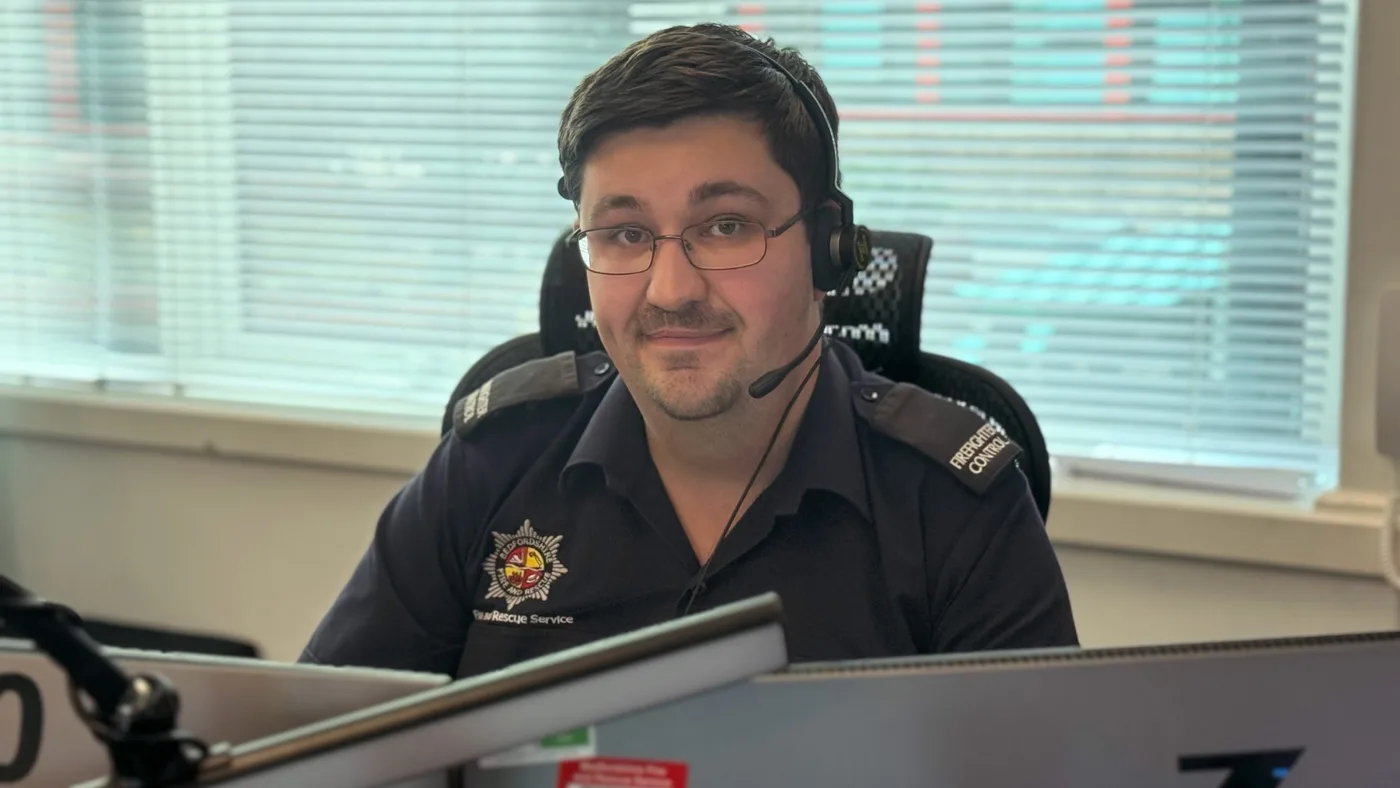
Control Firefighter Michael Ludlow marked four years in the role on 16 October. He applied “multiple times with multiple services” before he got in, he wrote.
His first shift was during severe thunderstorms and flooding. “The communications mast above headquarters had been struck by lightning, and calls were pouring into the control room. I remember finishing my shift and thinking ‘What just happened?’.”
Since then he has worked on:
- severe flooding
- the London Luton Airport car park fire
- the Cleat Hill incident
- a train crash
He was called back in for the train crash. “As I drove towards headquarters, I could see a helicopter circling overhead but had no idea what was happening. When I walked into the control room, it was full of activity. Everyone had a role to play and everyone was focused on helping manage the incident.”
He wants people to drop one assumption. “People often think we’re simply answering emergency calls and sending fire engines. In reality, we’re constantly processing information, communicating with crews, supporting officers, working with partner agencies and coordinating complex incidents.”
“It’s a role that demands focus and multitasking. You need to absorb information from multiple sources at once while making sure nothing gets missed.”
Vanessa: on the engine and in the control room
Crew Commander (Control) Vanessa Bierton will complete nine years with the service at the end of October. She started as an on-call firefighter at Ampthill Fire Station and moved into Fire Control a year later. She still does both.
Before that she was a receptionist for 11 years, she wrote. She went to community events at Ampthill station with her husband, who volunteered with Air Cadets. A firefighter there suggested she apply.
“I never thought I’d get through the recruitment process. I just took each stage as it came and found myself joining the crew.”
“I’ve attended incidents on a fire appliance and then gone into Control later that day, supporting the wider response from behind the scenes. I’ve seen first-hand how critical the relationship is between firefighters on the ground and the people supporting them in Control.”
Some of the work does not involve a fire engine at all. “I remember helping a woman who was worried about her husband, who lived elsewhere in the country. By working with other agencies and emergency services, we were able to get her the information she needed.”
“Whether I’m responding as an on-call firefighter or working in Fire Control, it’s about helping people and finding the best way to support them when they need it most.”
What it means for you
When you dial 999 and ask for the fire service anywhere in Bedfordshire, the person who answers is in this room in Kempston. As Michael Ludlow puts it, they are doing far more than “simply answering emergency calls and sending fire engines”.
If you are thinking about a job in Fire Control, Tom Bland’s advice is to talk to people already doing it. Vacancies and contact details are on the Bedfordshire Fire and Rescue Service website. Its general enquiries line is (01234) 845000. That number is not for emergencies.
The service also runs a community engagement panel for residents who want a say in its work. Its draft plan for 2027 to 2032 is out for comment until 15 January; we covered what it found about response times.
Have your say